Madrino is the kind of place you'd happily never leave — but you should. The Cetina canyon, Punta Rata beach, the Biokovo Skywalk and Imotski's sinkhole lakes are all within an hour. Here's the lay of the land.
Click any pin to see what's there, how far it is, and how long it takes. The house is the red dot at the centre.
The Cetina is the river of inland Dalmatia — born from a turquoise karst spring at the foot of Mount Dinara and winding 100 kilometres through canyon country before falling into the Adriatic at Omiš. Madrino sits just above it. Even in August, the water hovers between 12 and 16 °C — a shock to the system, a gift after a hot day, and the playground for almost every outdoor adventure Dalmatia has to offer.
The classic — 11 km of turquoise water and gentle rapids from Penšići down to Radmanove Mlinice. Two to three hours on the boat, lunch at the end. Suitable for kids from age 6. Best from April to early September.
The wild option. Launches from Zadvarje, dropping into a 180 m gorge of waterfalls, swimming holes, abseils and tunnels. Wetsuit, helmet, harness, and three to four hours you'll remember forever.
Eight steel cables totalling 2,100 m, the longest a 700 m flight 150 metres above the canyon floor. About three hours start to finish, run from Omiš. One of the best ziplines in Europe.
Two-to-three-hour solo or tandem kayak tours through the quieter upper reaches of the river — past hidden villages, swimming spots and limestone cliffs. The slow, beautiful way to see the Cetina.
Stand-up paddleboards are easy to rent at Blato na Cetini and Omiš. The river is calm enough for beginners; the swimming spots between the rapids are cold, clear and unforgettable.
Half-day guided quad and buggy rides through the Dalmatian karst — the Cetina, Ruda and Grab rivers, hidden trout pools, old mills. Family-friendly buggy options available for non-drivers.
Several operators combine rafting + zipline + canyoning into a single full-day package. Picked up in the morning, returned exhausted and grinning by dinner. Maja can book it for you.
No equipment, no booking. Drive 10 minutes to the river beach at Blato na Cetini — a wide green pool where the Cetina flattens. Towels, books, sunhat, lunch from the supermarket. The quiet day.
Just down at Blato na Cetini, right on the riverbank, sits Restoran Zlatna Dolina — a low-key Dalmatian restaurant where the locals go before, during, and after their time on the river. Bell-roasted veal, fresh trout from the Cetina, grilled mixed plates, peka on order, vegetables from the kitchen garden. Tables under the trees, the green river running past, and a long lazy lunch that ends sometime in the late afternoon. Reservations recommended in season — it has stopped being a secret.
"Perfect for relaxing after canoeing or rafting." — what every reviewer ends up writing.
Maja can recommend and book operators — Split Adventure, Cetina Adventure, Red Adventures, Cetina Travel all run from nearby Omiš or Zadvarje. Most tours pick up from the house. Ivan's friends at Biokovo Overland also bundle adventure mornings with mountain afternoons.
Drop down through the Biokovo foothills and you arrive at the most photographed strip of coast in Croatia — a chain of small towns set against the mountain wall, joined by white-pebble beaches and turquoise water. Twenty to thirty minutes from the house.
A small tip from Maja: all of these get crowded between 10am and 5pm in July and August. Locals pay for parking; you can park free on the side of the main road and walk down. Mornings before 9am and evenings after 5pm are when the Riviera is at its best.
Biokovo is the dramatic limestone mountain rising straight out of the sea behind Makarska — its summit, Sveti Jure, climbs to 1,762 m, second-highest mountain on the Croatian coast. The park's Skywalk, a glass-floored half-circle hanging over a 1,300 m drop, has become one of the country's signature views.
Reservations are required online via the Nature Park — only 20 cars are admitted per hour and summer slots fill days in advance. Tickets €10 in shoulder season, €15 June–September. Worth the climb and the planning.
Drive the dizzying serpentine road to the top and you get a 360° view from Italy to the Bosnian Alps on a clear day. Bring a jacket — it's noticeably cooler than the coast.
Maja's friends run a small tour agency — Biokovo Overland — taking small groups through the mountain off the standard route. Hidden viewpoints, local food, no buses. Find them on Instagram or ask at the house.
Inland from Madrino, past Šestanovac and into the Imotska Krajina karst country, two of Europe's strangest lakes sit a kilometre apart. Locals call them "the Loch Ness of Croatia" — for the depth, the legends, and the way the water level shifts dramatically with the seasons.
A karst lake at the bottom of a 220 m sinkhole — possibly a collapsed cave. In spring it holds 90 m of clear blue water; by late summer it can dry up entirely. A walking path spirals down to the bottom. Locals swim from a small beach at the centre when the water is high.
A 530 m sinkhole — the third-largest on Earth — with sheer cliffs of orange limestone climbing 241 m above the water. You can't descend (or shouldn't), but a viewing platform above gives one of the most dramatic geological vistas in the country.
A combined ticket is around €5 per adult. Visit in spring or autumn for the fullest Blue Lake. Pair it with lunch in Imotski town and a walk past the medieval Topana fortress.
Šestanovac is the administrative centre of the municipality and the nearest "real" village. Five minutes by car. It has everything you'd want for a quiet stay — and very little you wouldn't.
Tommy and Studenac, both well-stocked Croatian supermarkets. Fresh bread, local cheeses, prosciutto, the wine wall.
Medical first-aid in the village. A vet in Šestanovac, in case you travel with a dog or one of the local cats adopts you.
A small pharmacy and a couple of cash points — for when you remember you forgot something or run out of euros.
Dalmatian cooking is what happens when you put olive trees, vineyards, herbs, the Adriatic and a wood fire in the same place for a thousand years. Three places to eat, in increasing order of memorability — then the dishes themselves.
Pizza place in the village. "Not the best in the world," in Maja's honest words, "but it's OK." When you need feeding and don't want to think about it. Five minutes away.
A proper Dalmatian restaurant about 5 km from the house — local, domestic, the kind of place where the bread is still warm and the rakija appears unasked. Worth the short drive.
The best food, on demand. Ivan's parents will cook traditional Dalmatian dishes — peka, brudet, pašticada, or whatever's in the garden — for a symbolic price that supports them and the local food they love to make. Ask Maja a day ahead.
Tap any photo to read more on TasteAtlas — the global food atlas where Croatian dishes are some of the best-ranked in the world.
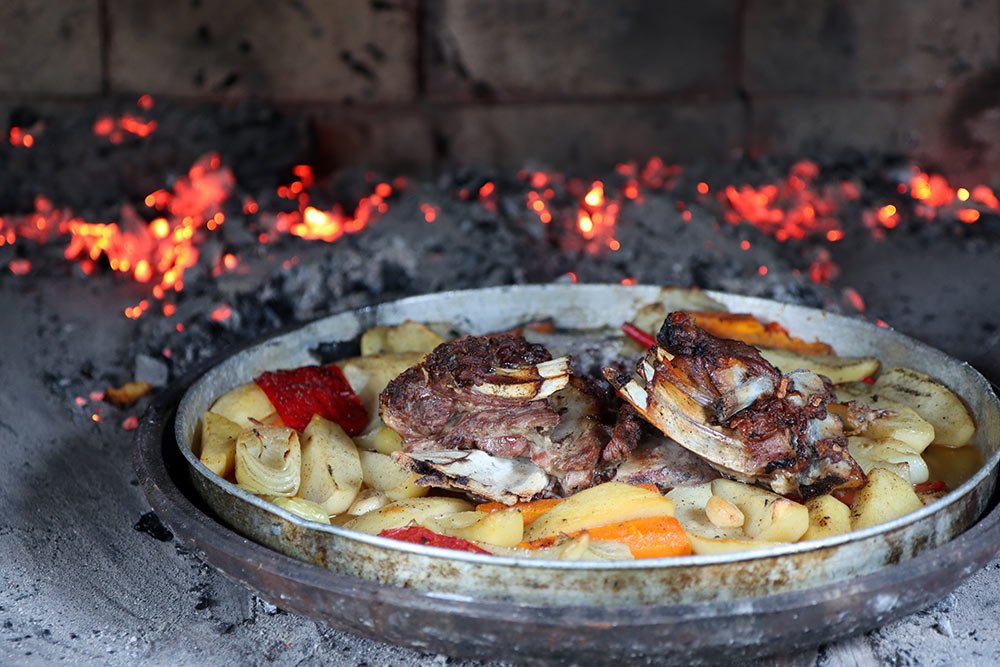
Lamb, veal or octopus and potatoes slow-cooked for 2–3 hours under a cast-iron bell covered in hot embers. The defining Dalmatian experience. Order with Maja in advance.
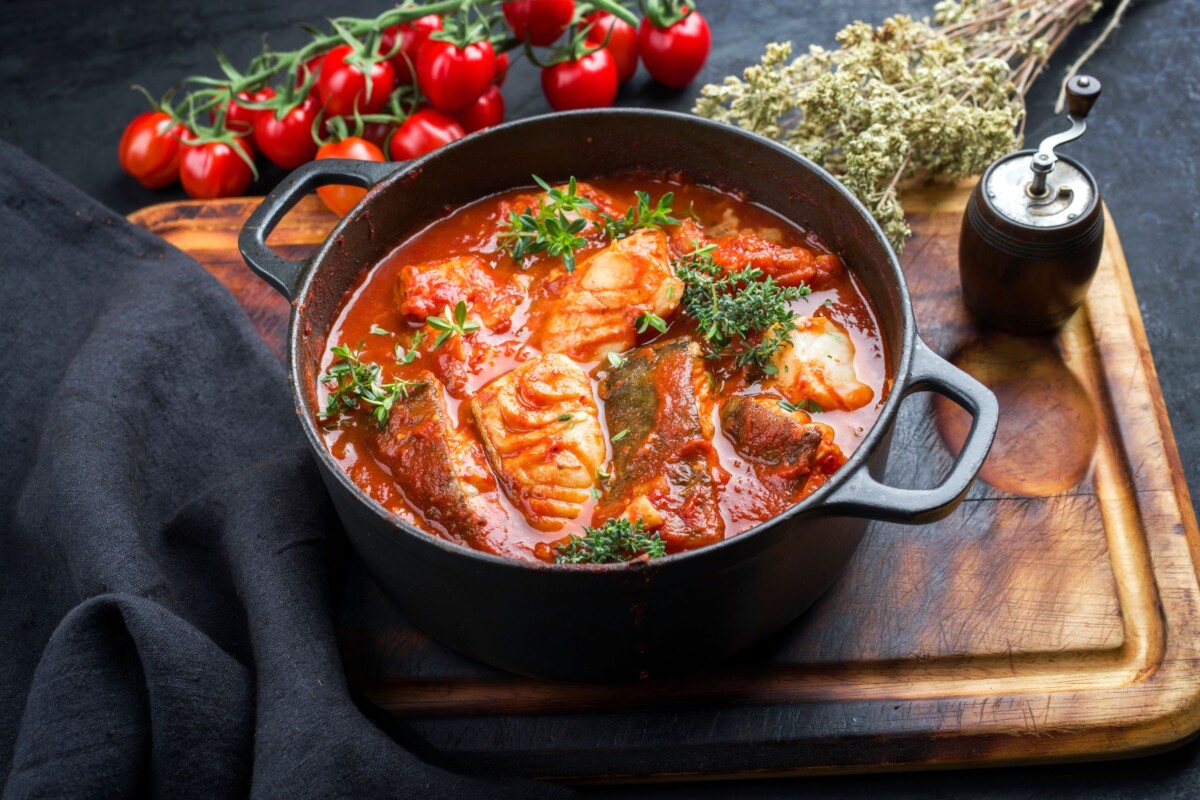
A fisherman's stew of mixed Adriatic fish in tomato, onions and wine, simmered slowly and served over creamy polenta. Every grandmother on the coast has her own secret recipe.
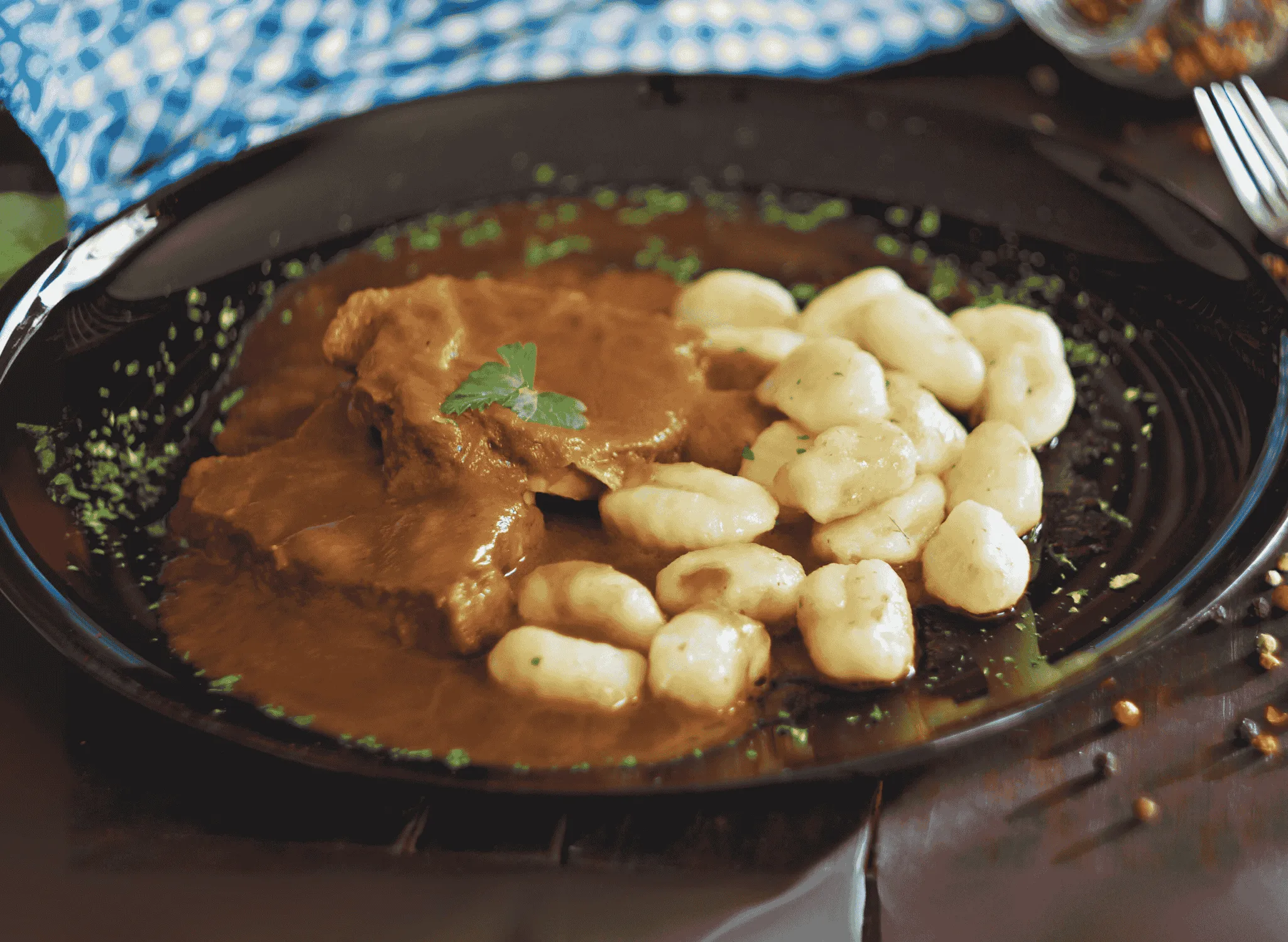
Beef marinated overnight in vinegar and prunes, slow-braised in dark Prošek wine, served with homemade gnocchi. The Sunday dish — a long, sweet-savoury, deeply satisfying Dalmatian classic.
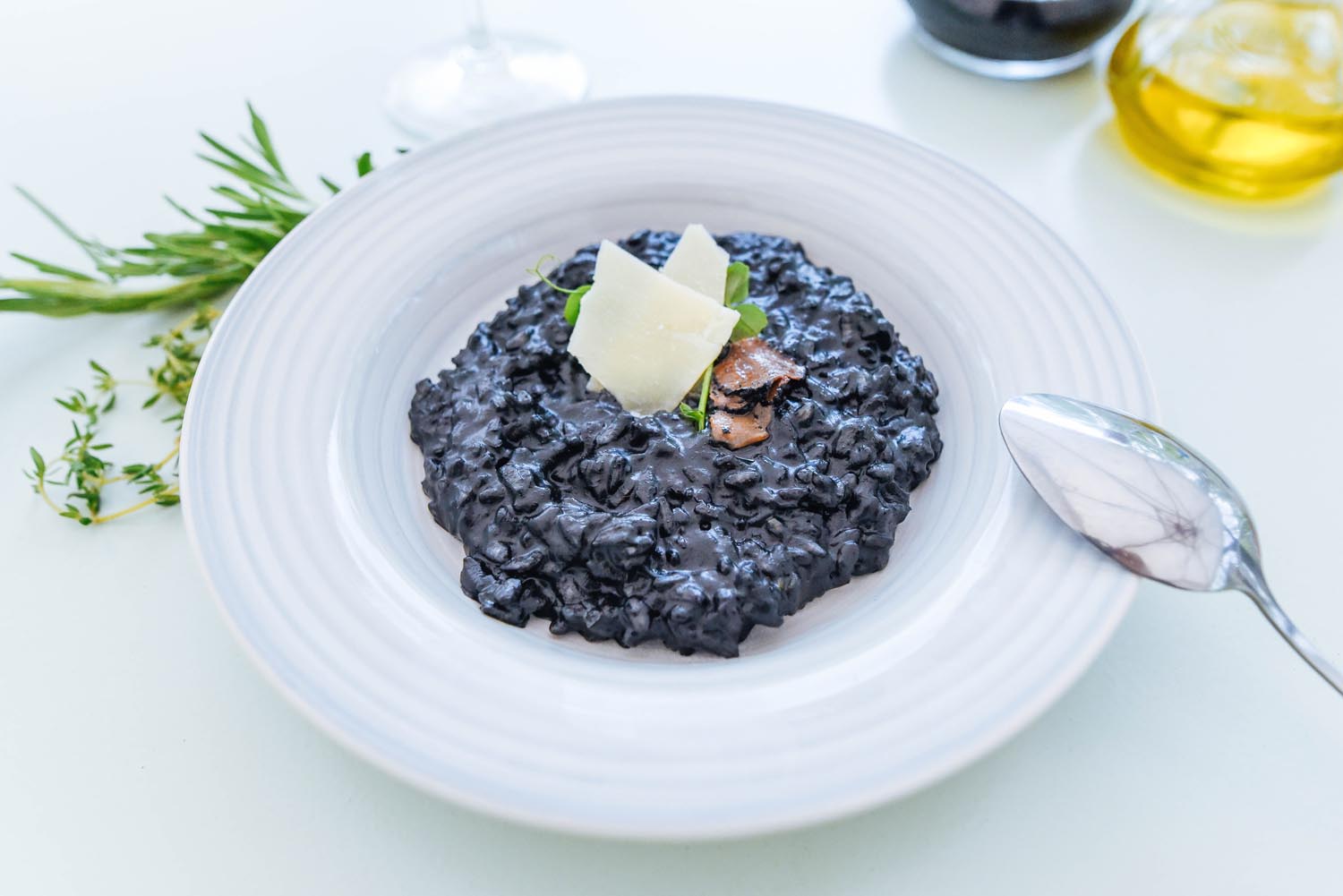
Black risotto coloured by cuttlefish or squid ink — intensely briny, deeply oceanic. The dish that divides tourists and unites locals.
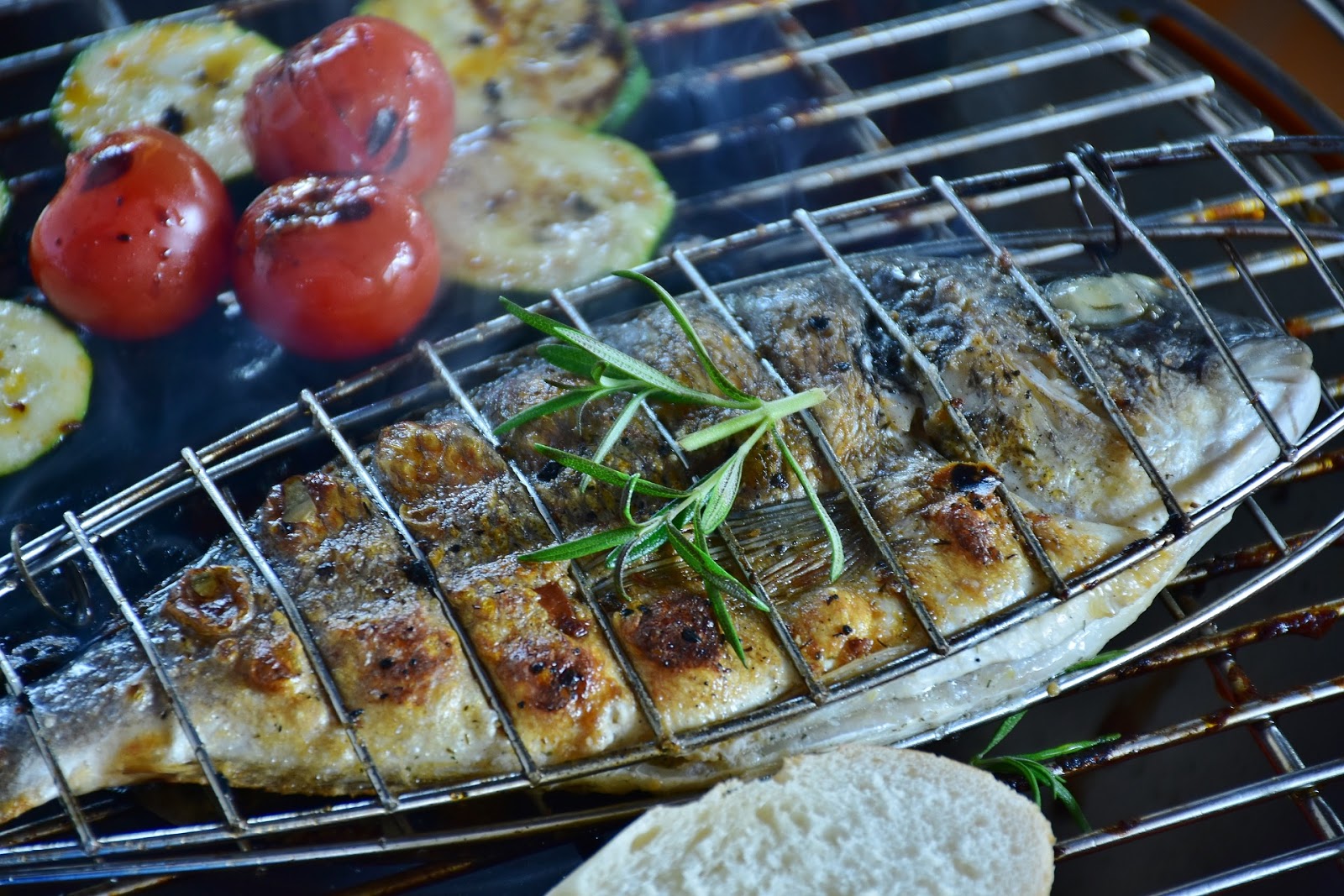
Fresh Adriatic fish — sea bream, sea bass, dentex — simply grilled with olive oil, garlic and rosemary. Served with blitva (Swiss chard) and boiled potatoes. Perfection in simplicity.
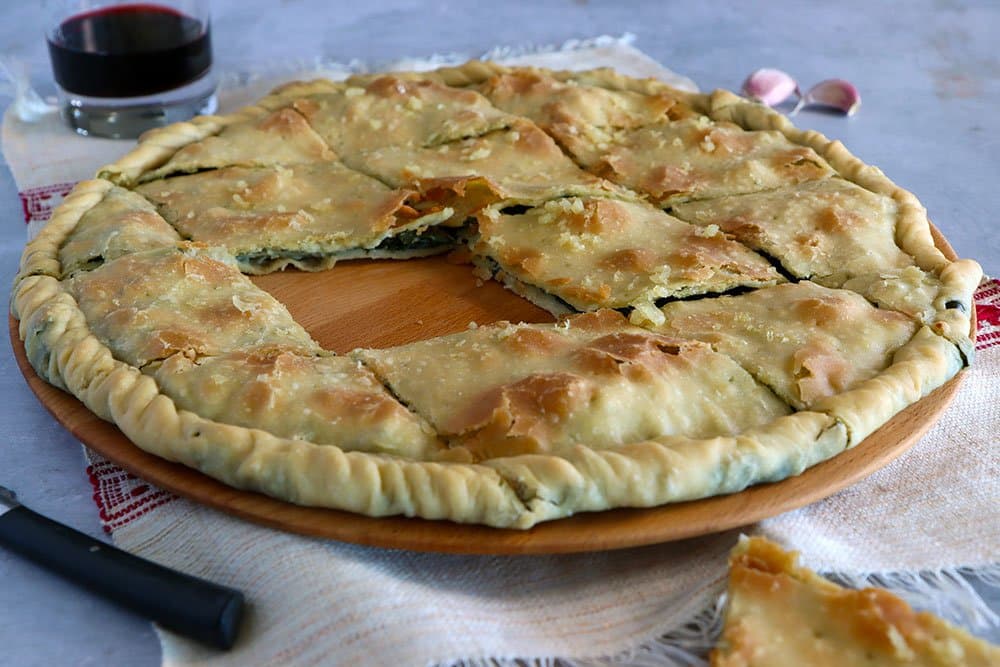
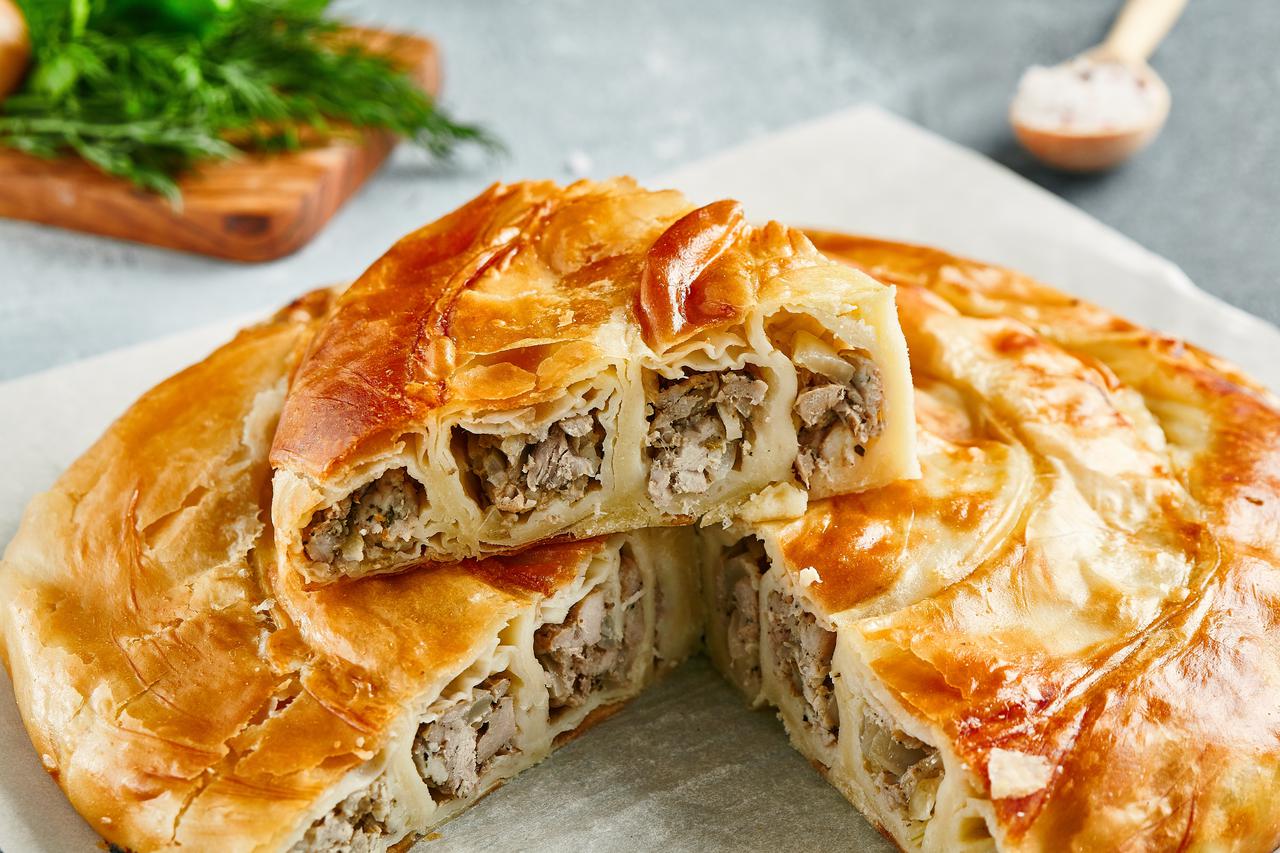
A UNESCO-protected savoury pie from the nearby Poljica region — paper-thin dough, Swiss chard, onion, olive oil, baked on a stone hearth. Ancient, simple, addictive.
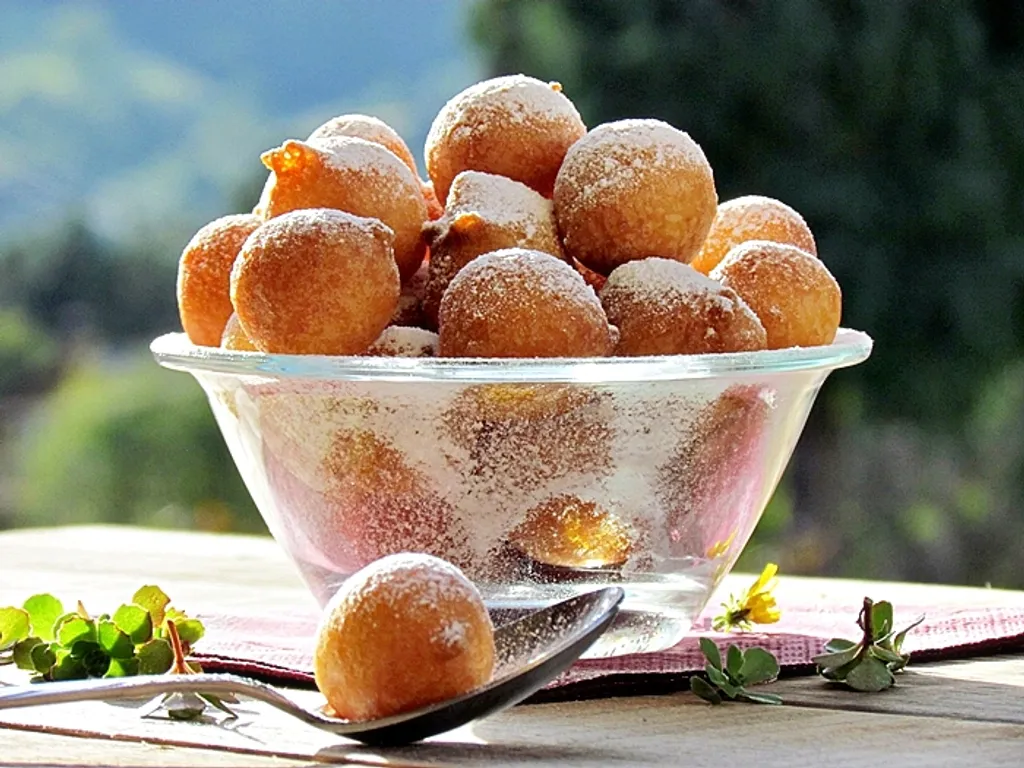
Want to dig deeper? TasteAtlas's Croatia & Dalmatia pages cover every traditional dish, drink and ingredient — illustrated and ranked by locals and travellers.
"All around our small village, beautiful places are very close and worth stopping by."
— from Maja's welcome note